Human-Centred Design Workshops
Workshop facilitation, user research, UX strategy, design thinking, stakeholder engagement and evidence based design.

Workshops are a core part of how I work. They help bring together stakeholders, users and subject matter experts to build a shared understanding of a problem before jumping to solutions.
While I often work within the Double Diamond framework, I don't treat it as a rigid process. Every project is different, so I adapt activities and workshop formats to suit the people involved, the complexity of the challenge and the outcomes we're trying to achieve. Sometimes this means spending more time understanding users and their needs, while other projects require rapid alignment and collaborative ideation to move quickly from problem to solution.
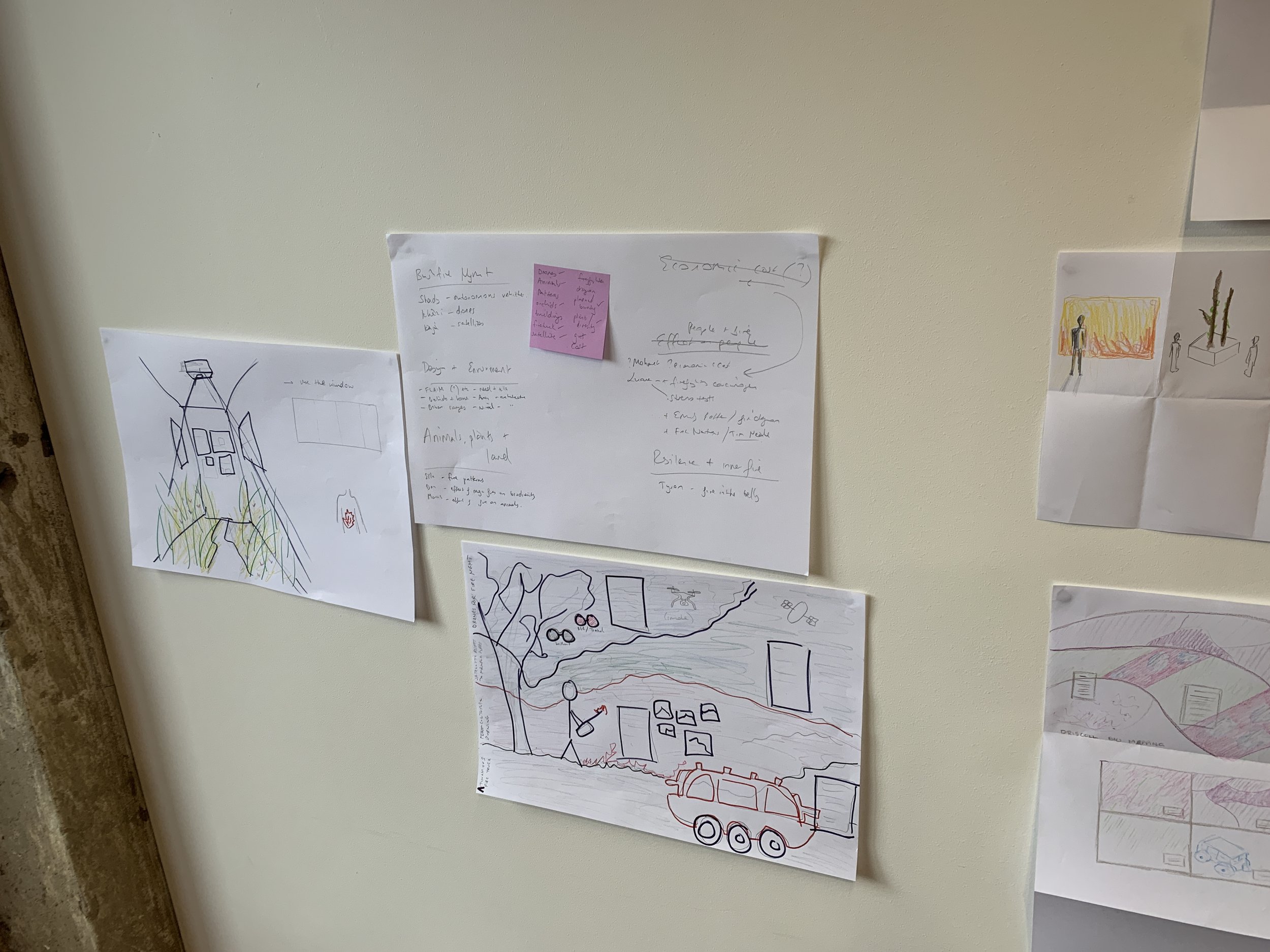
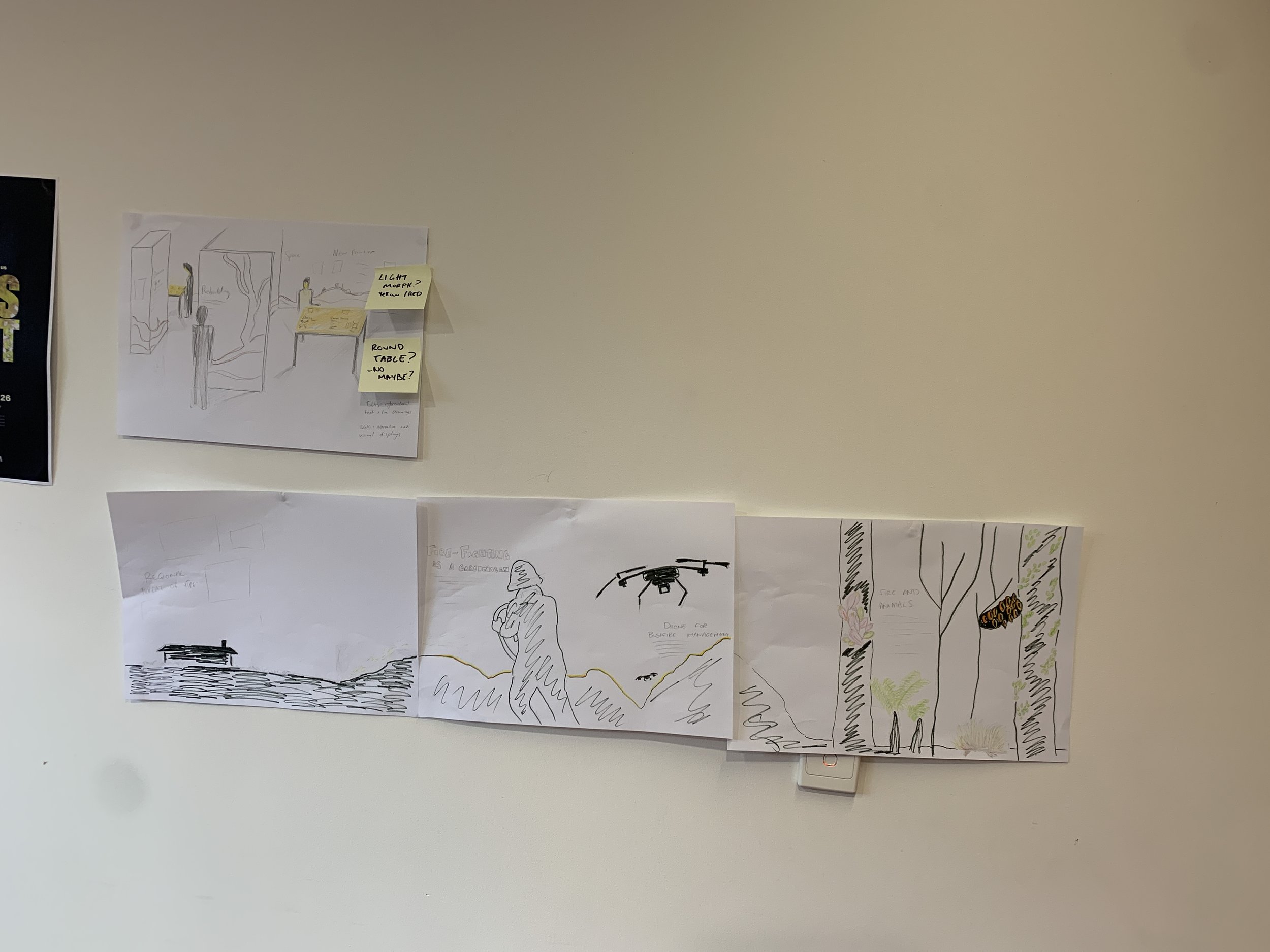
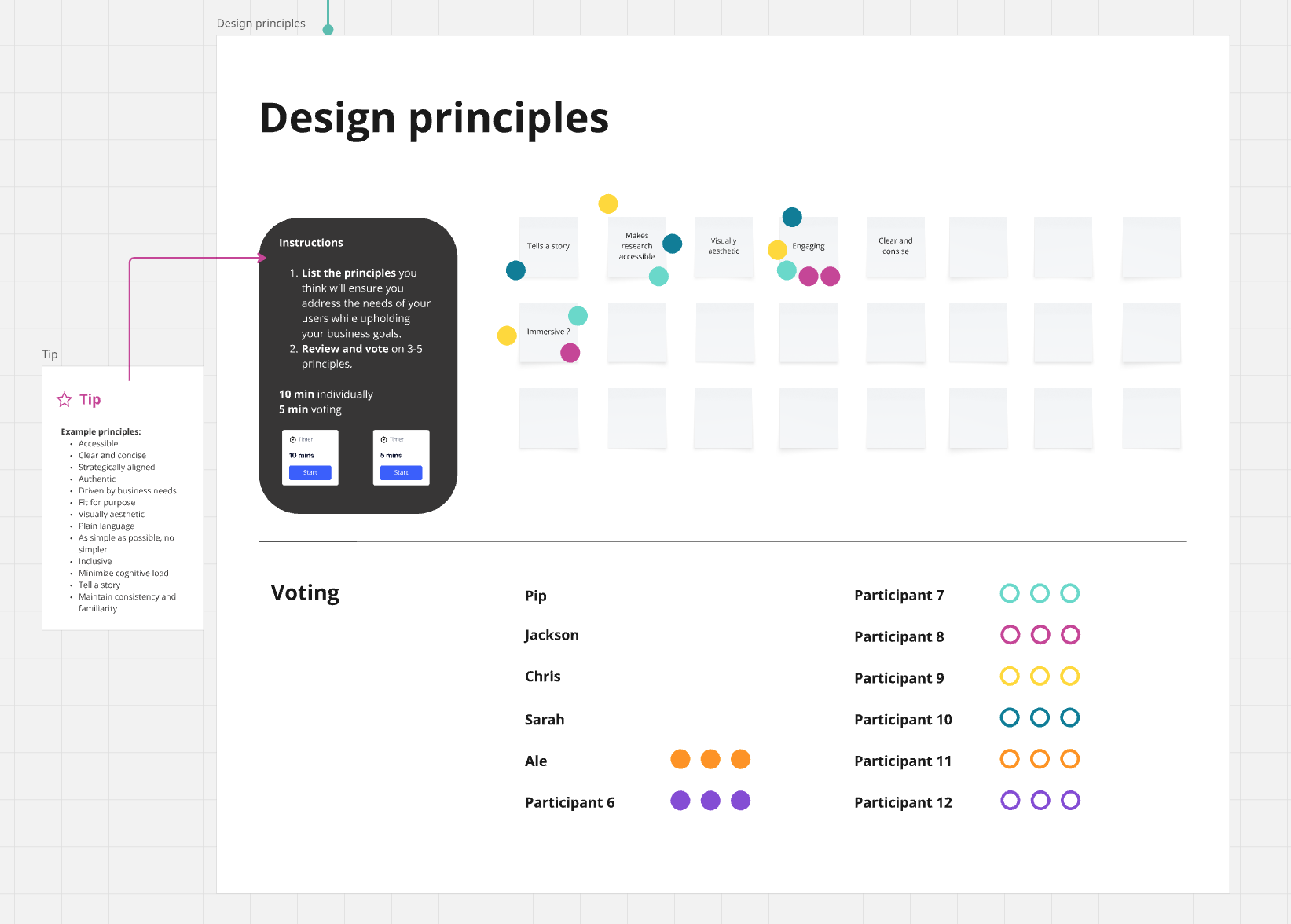
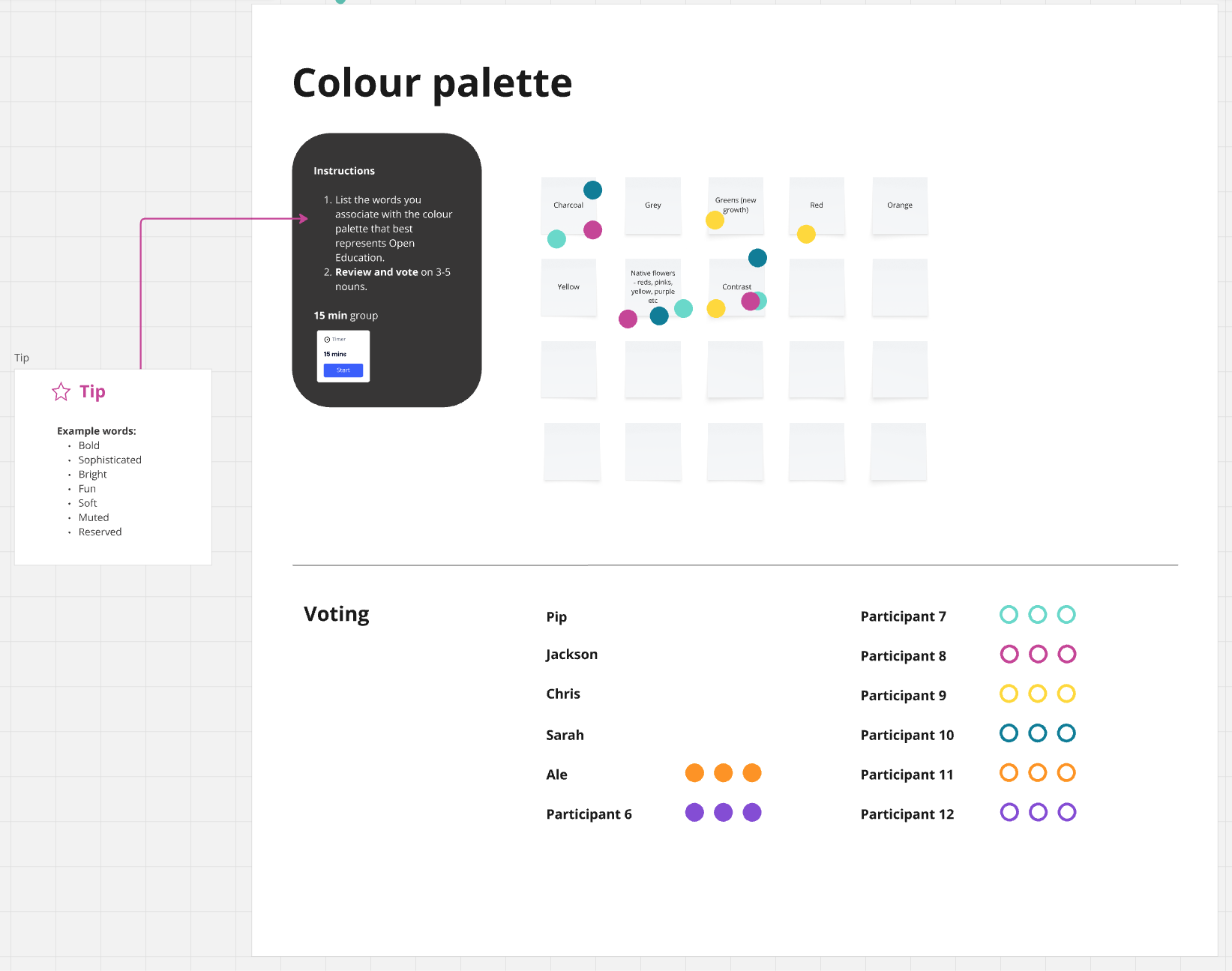
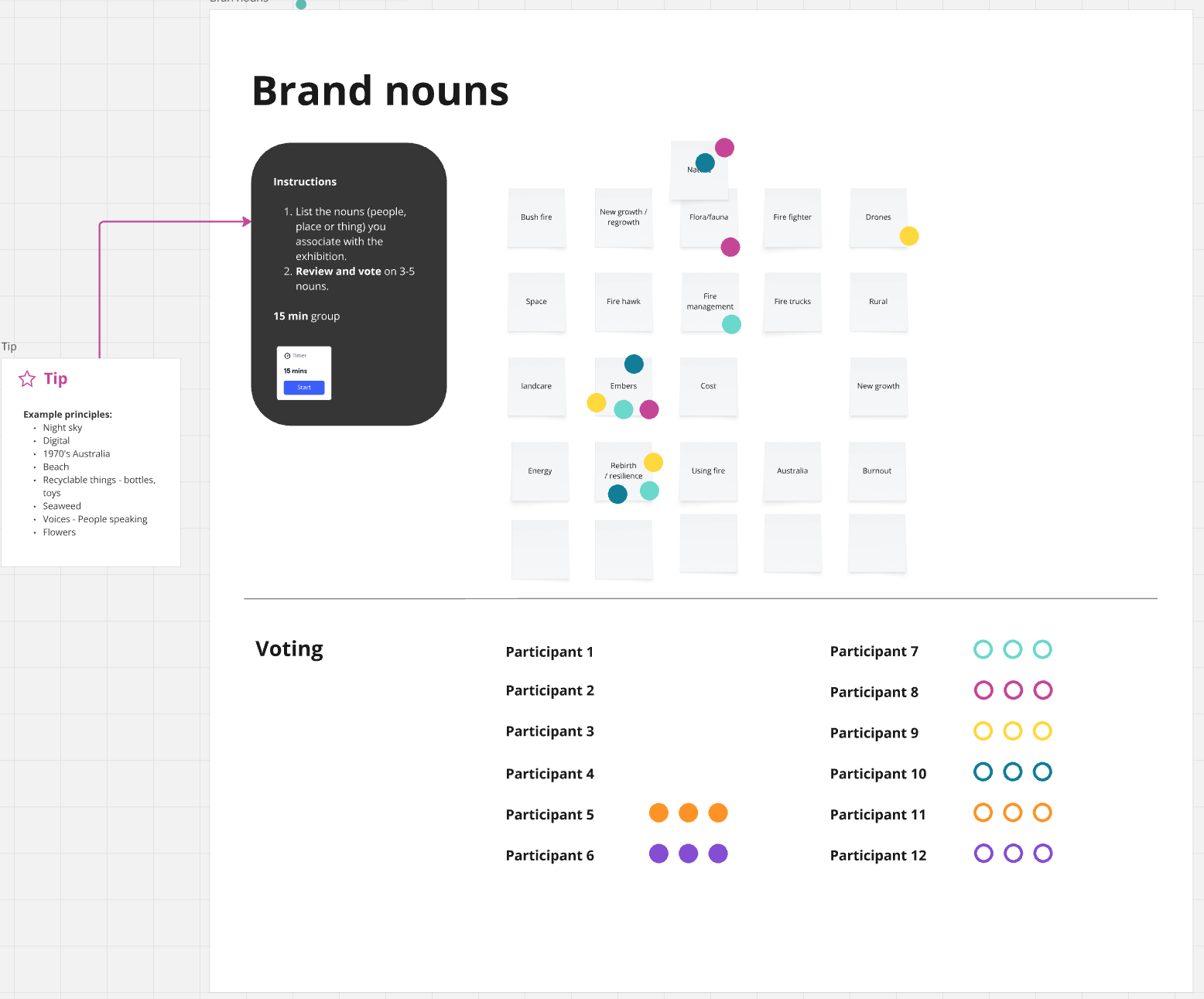
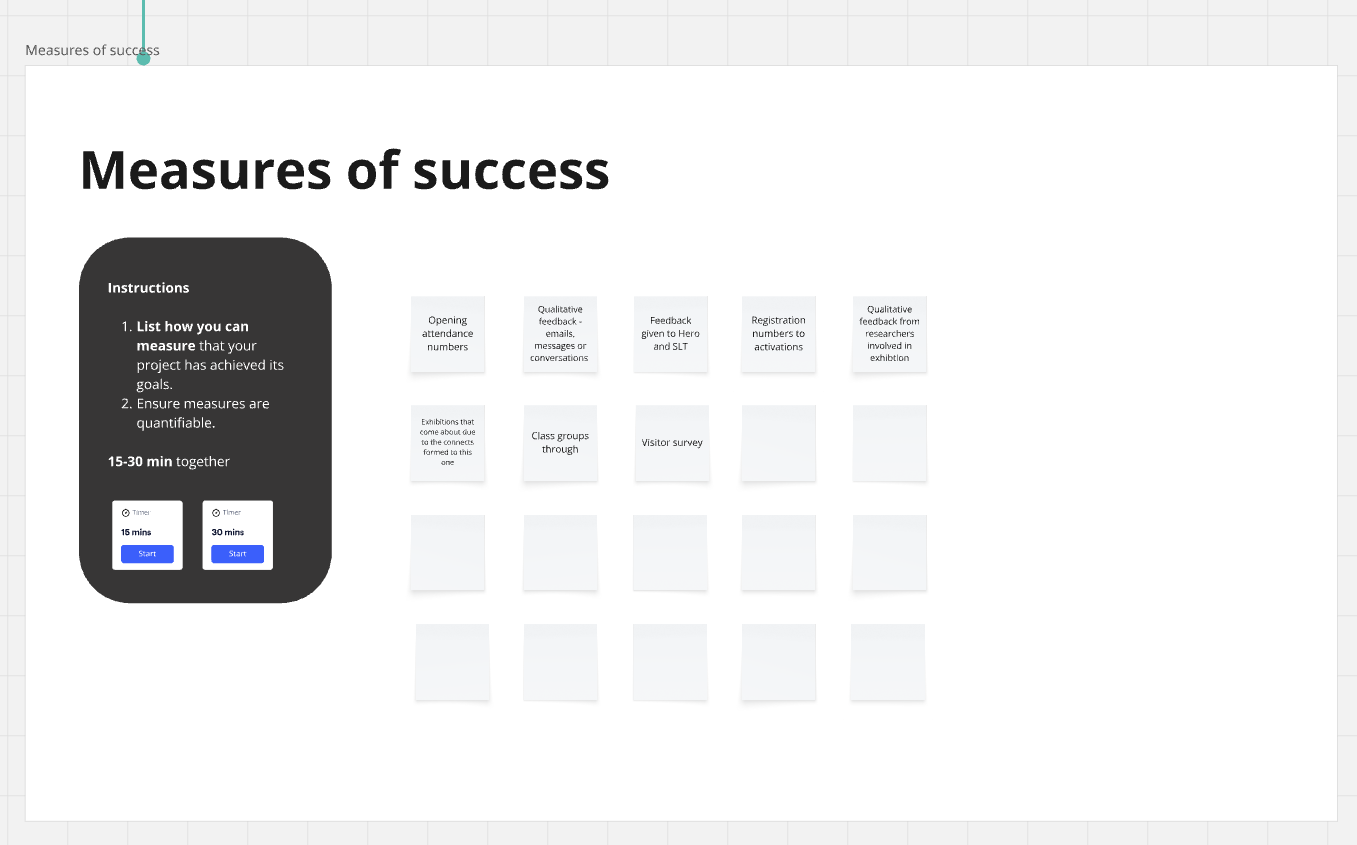
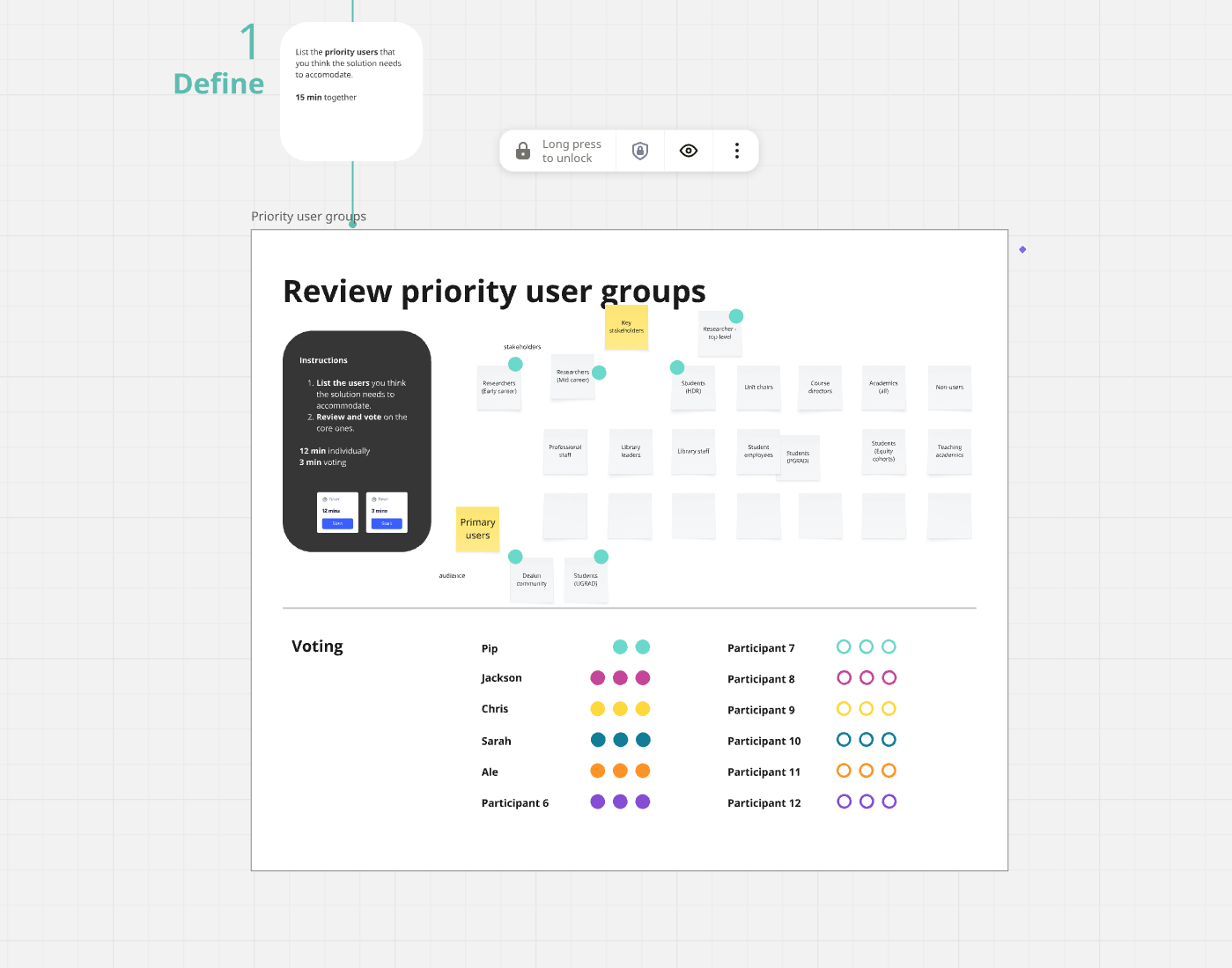
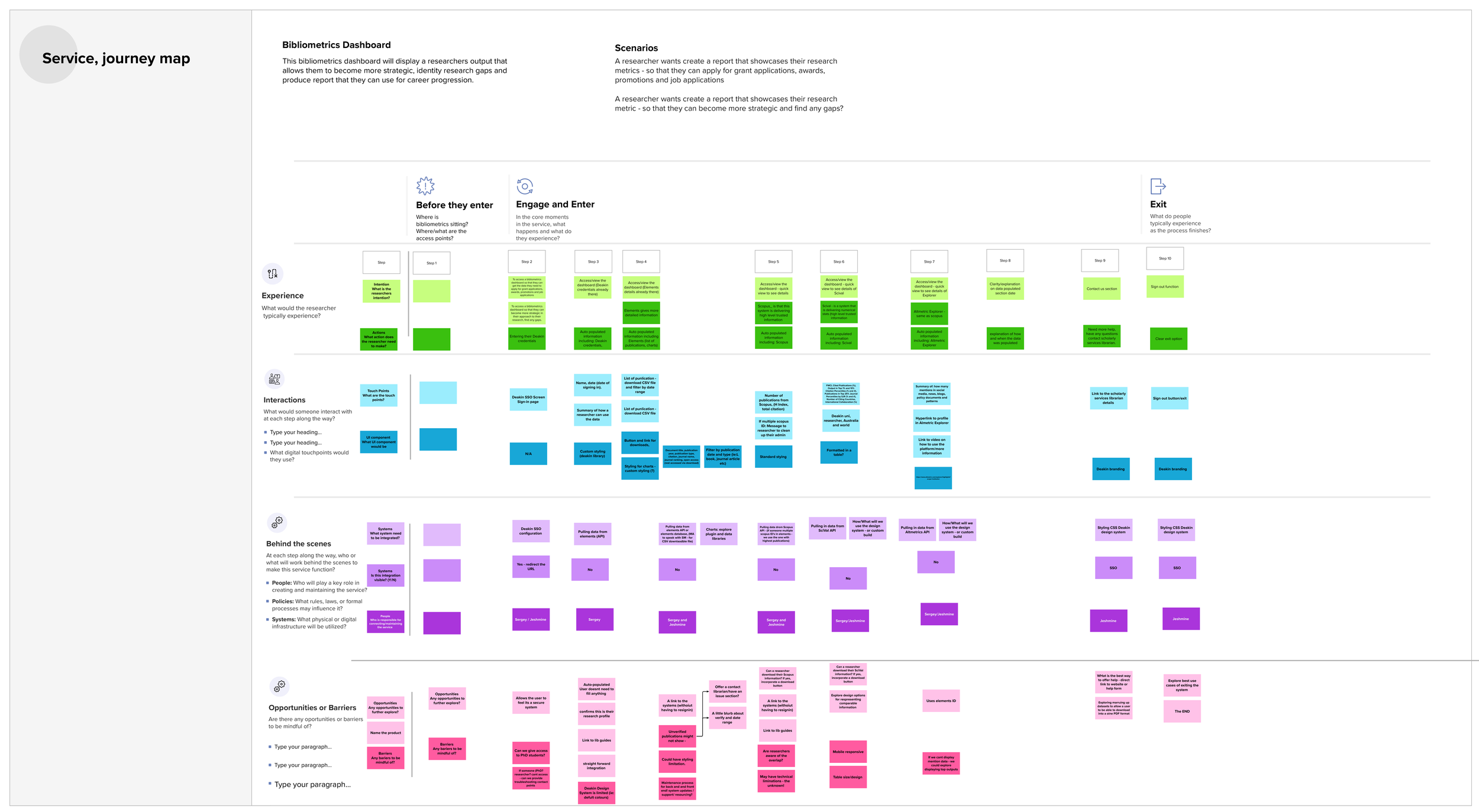
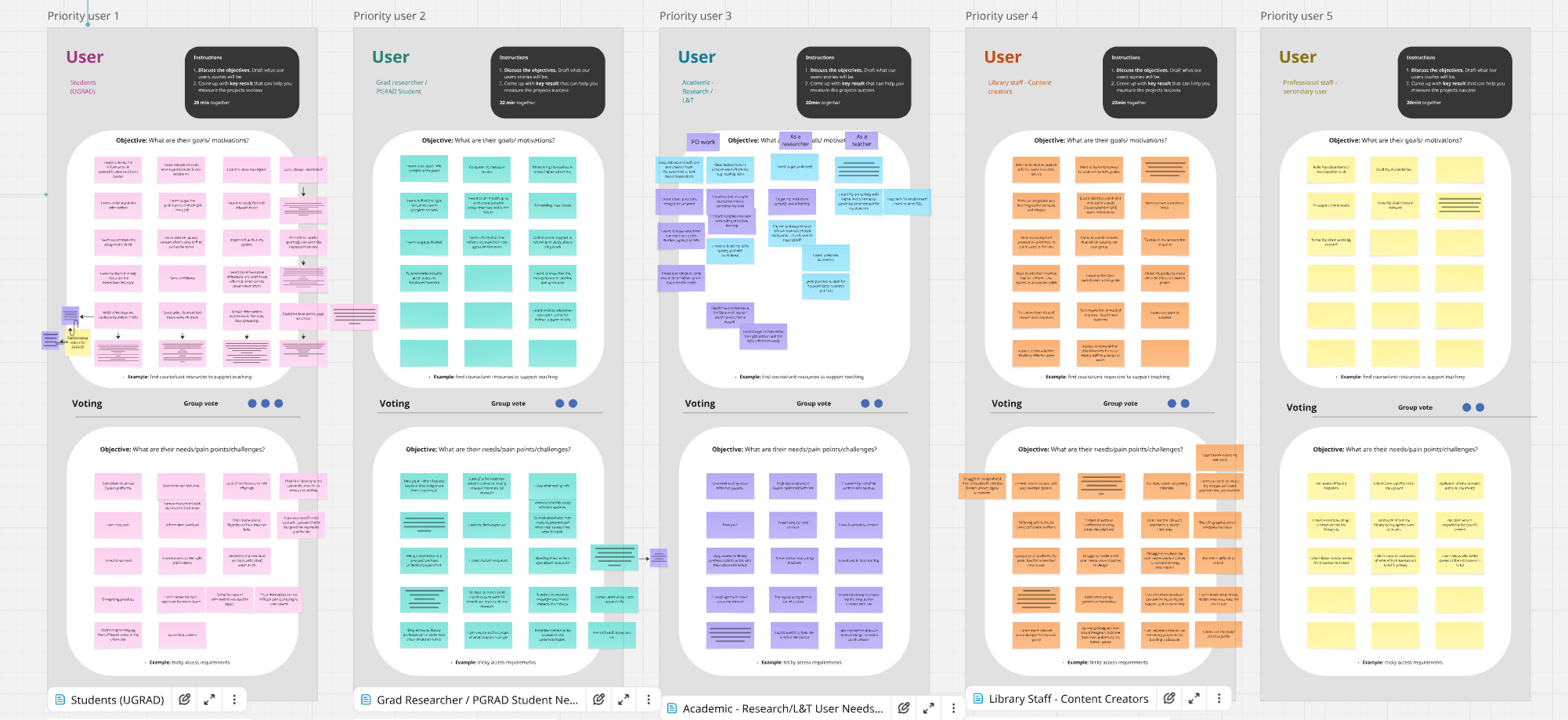
Throughout Discovery and Define, I use a mix of research and facilitation techniques including user interviews, environmental scanning, priority user mapping, user needs and pain point analysis, assumption mapping, journey mapping, success metrics, design principles and happy vision/sad vision exercises. These activities help uncover what is really happening beneath the surface and create alignment around the problem we are trying to solve.
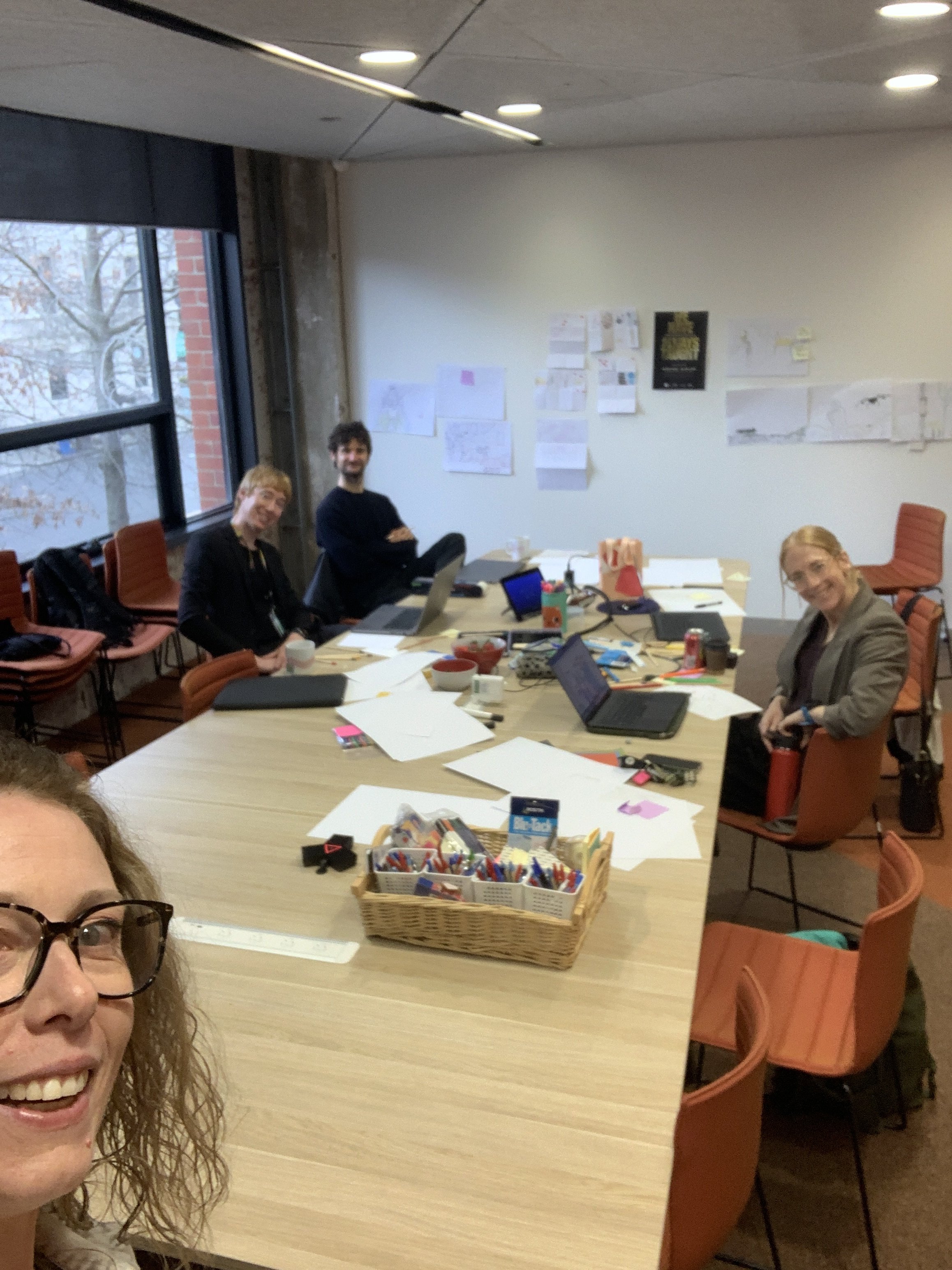
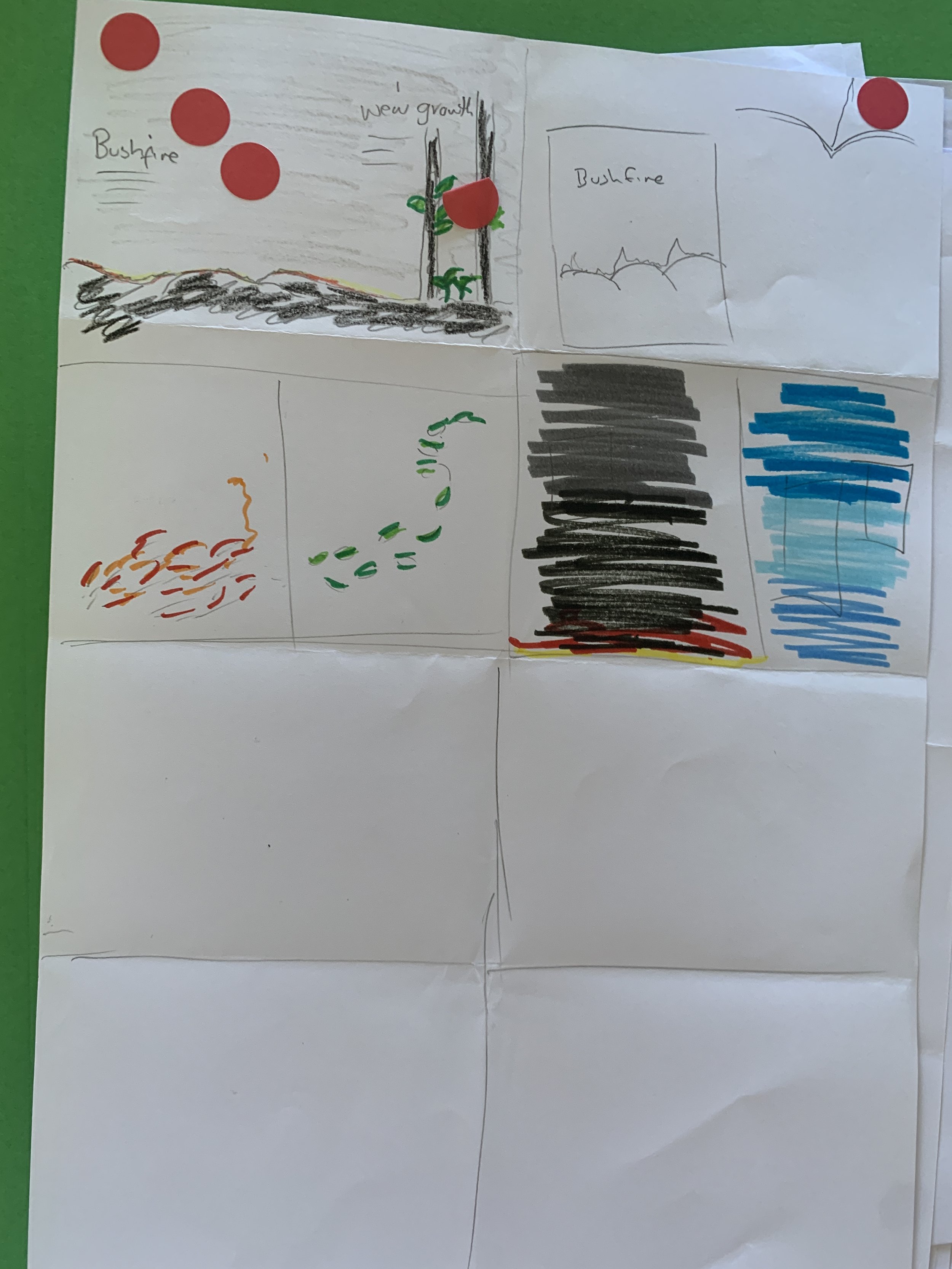
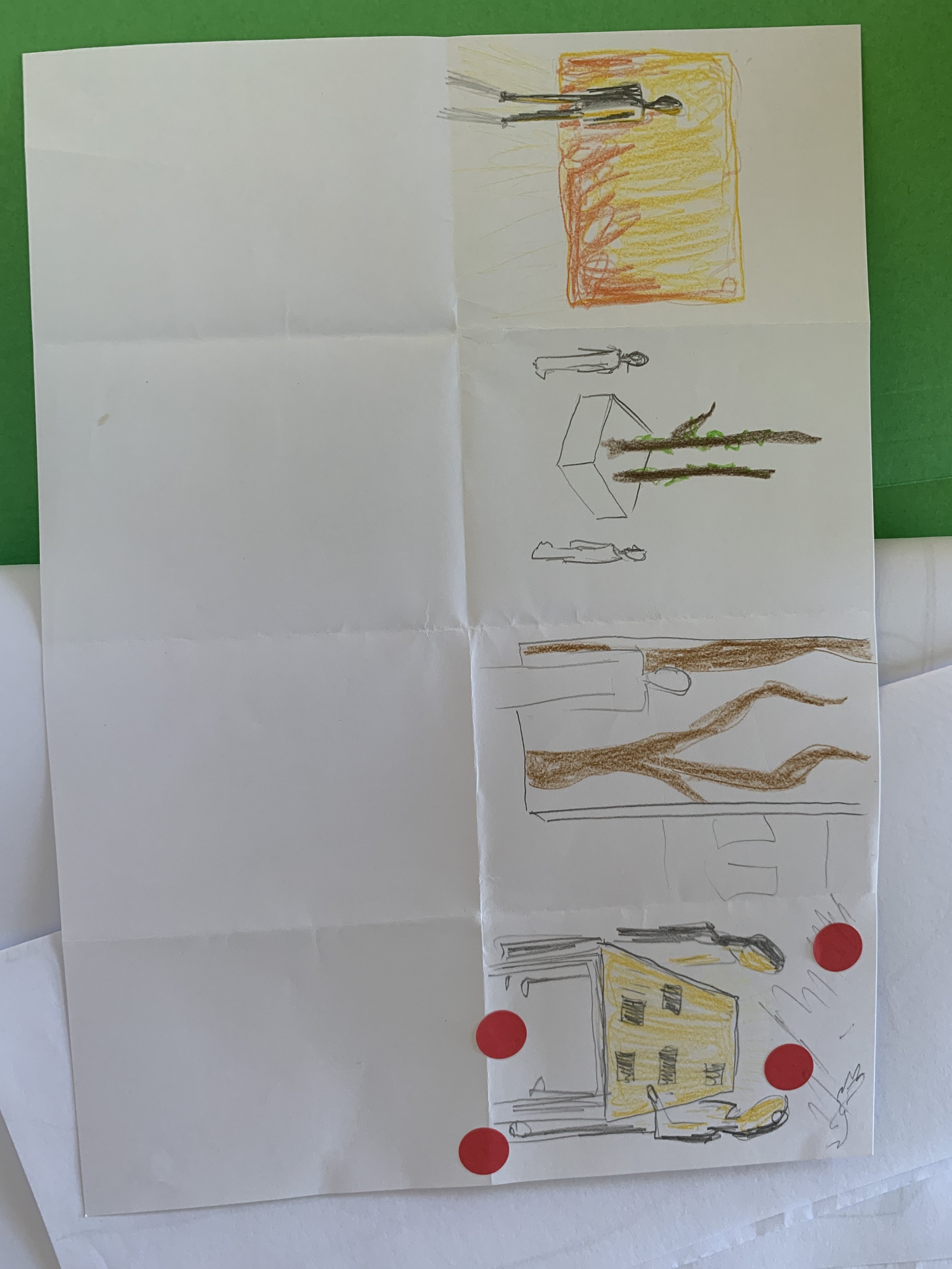
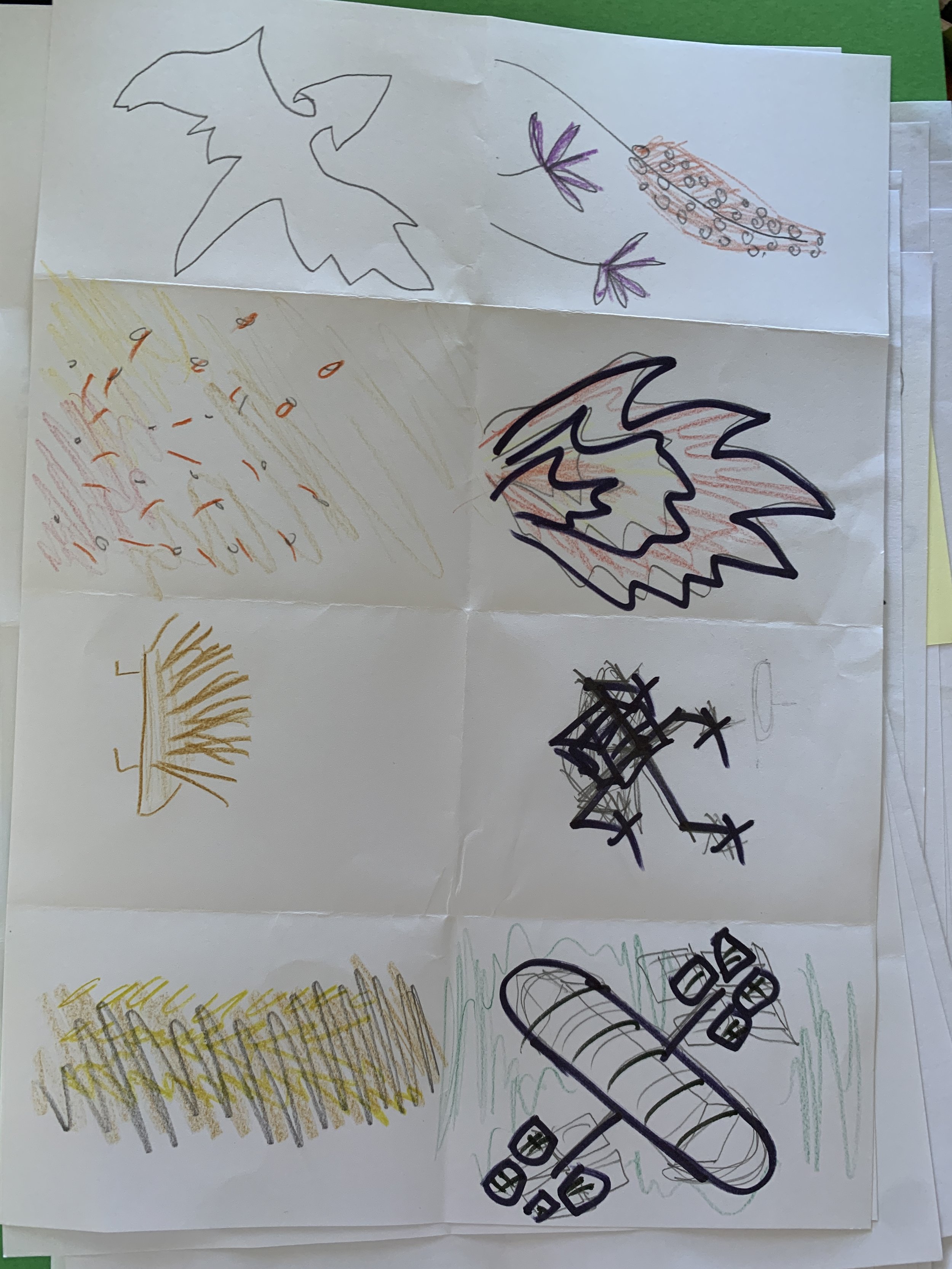
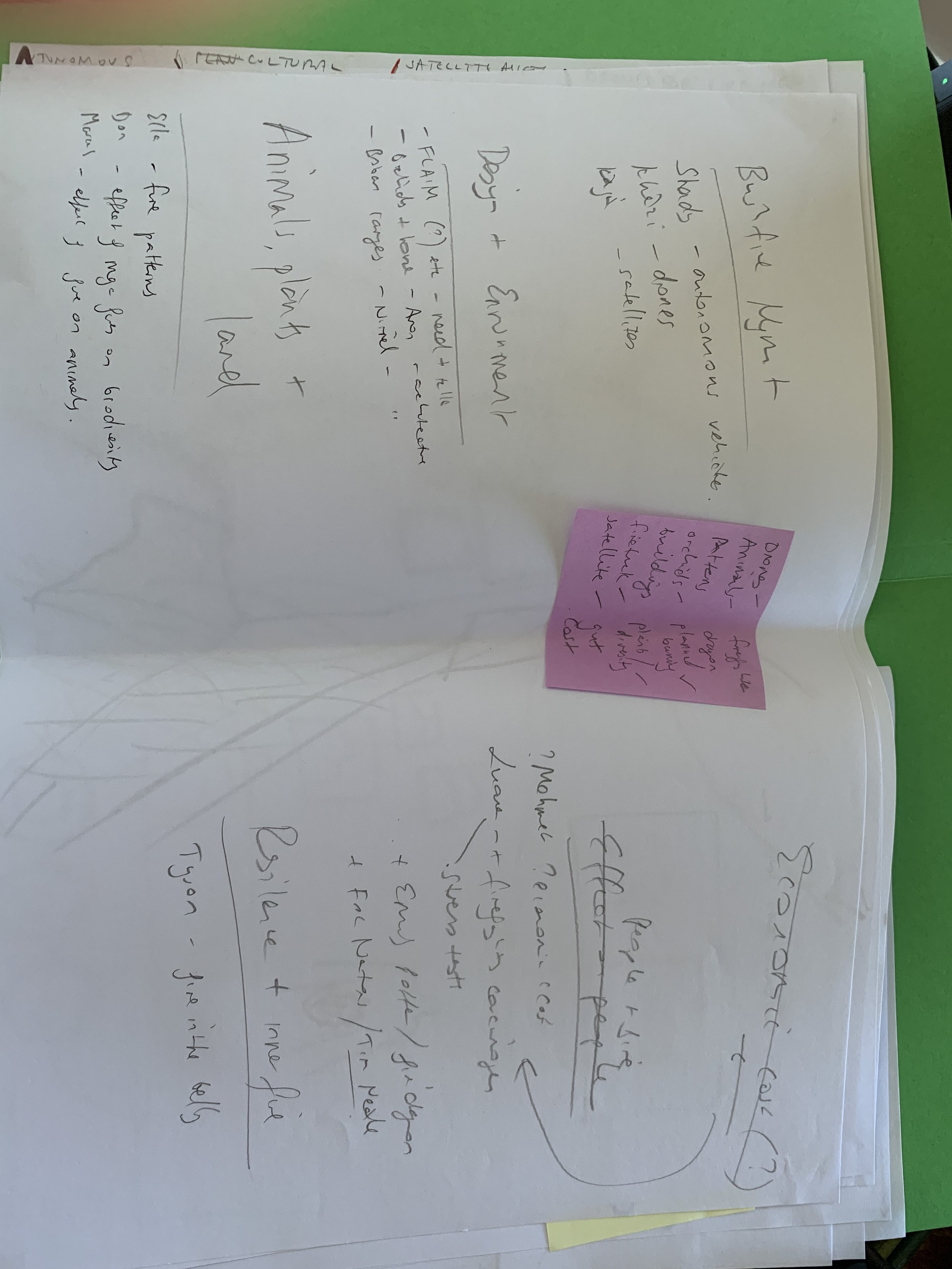
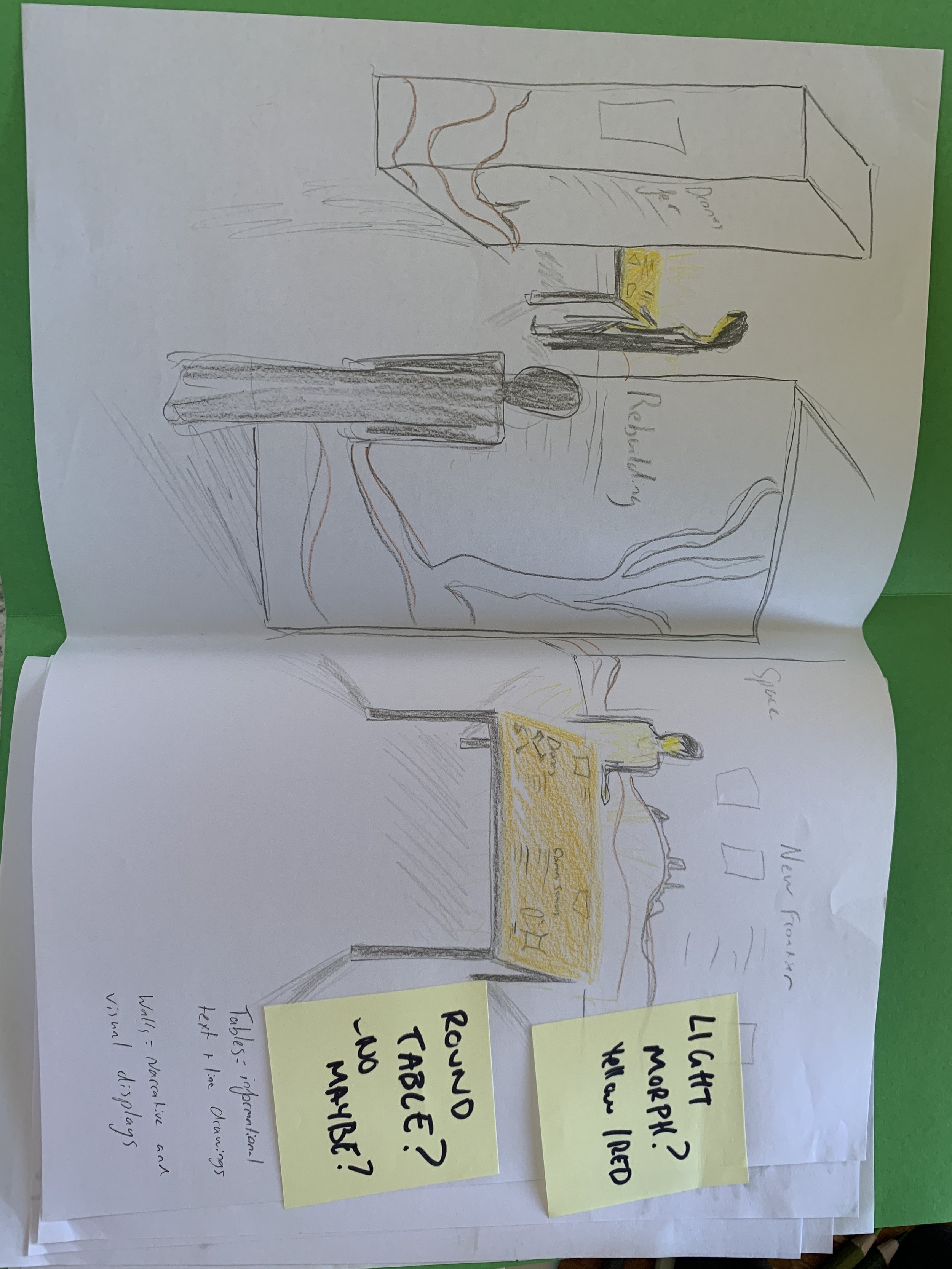
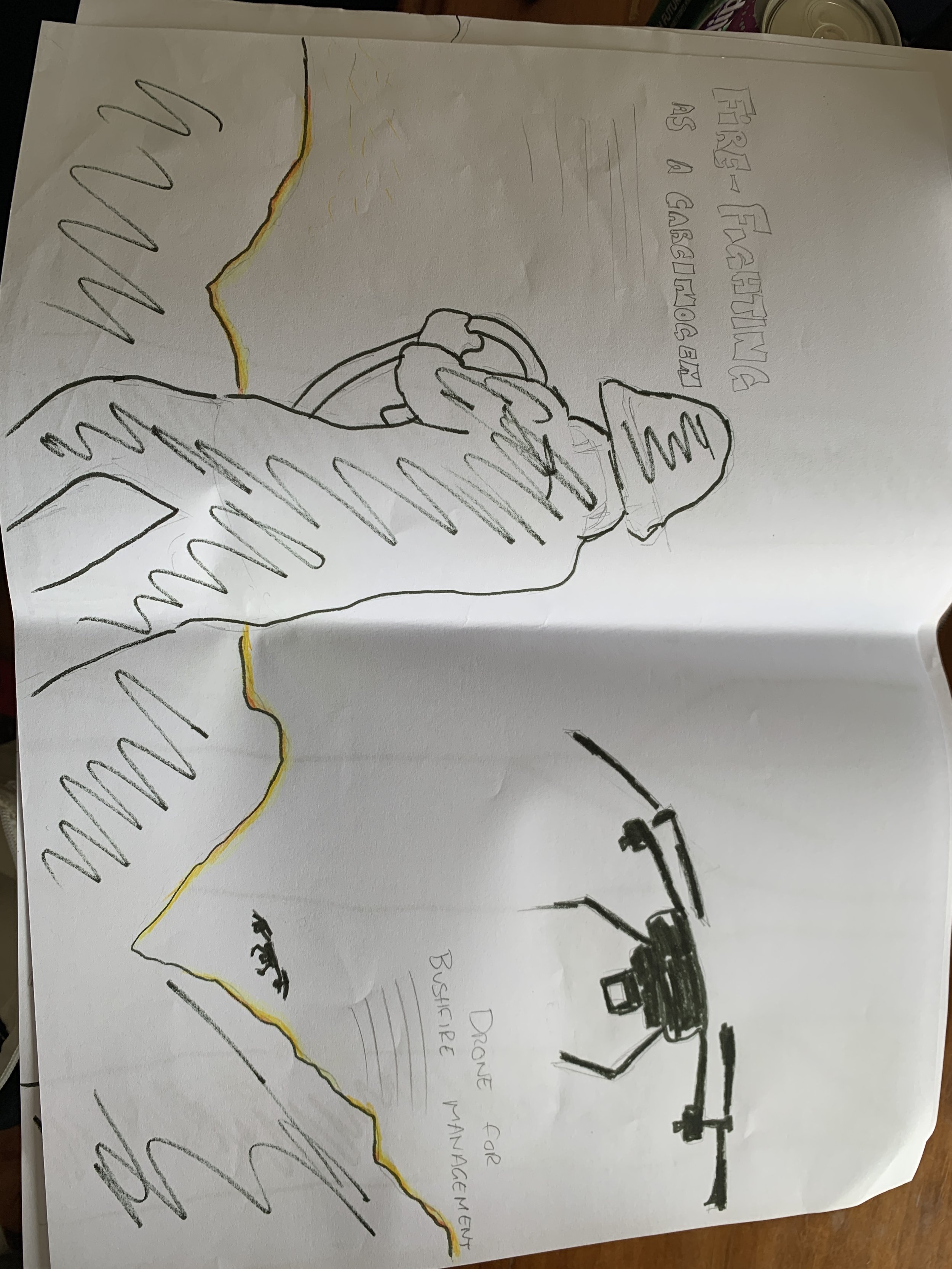
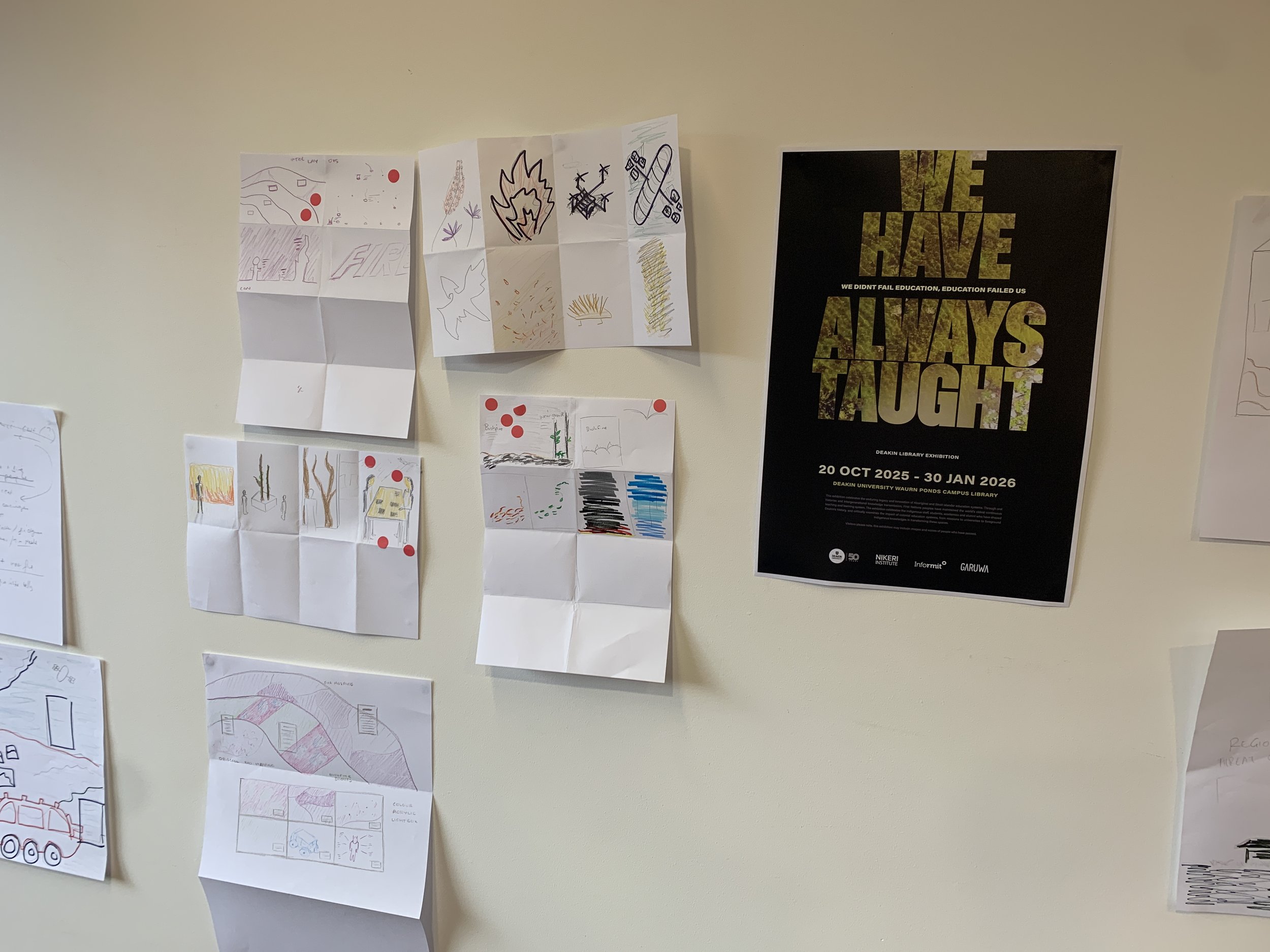
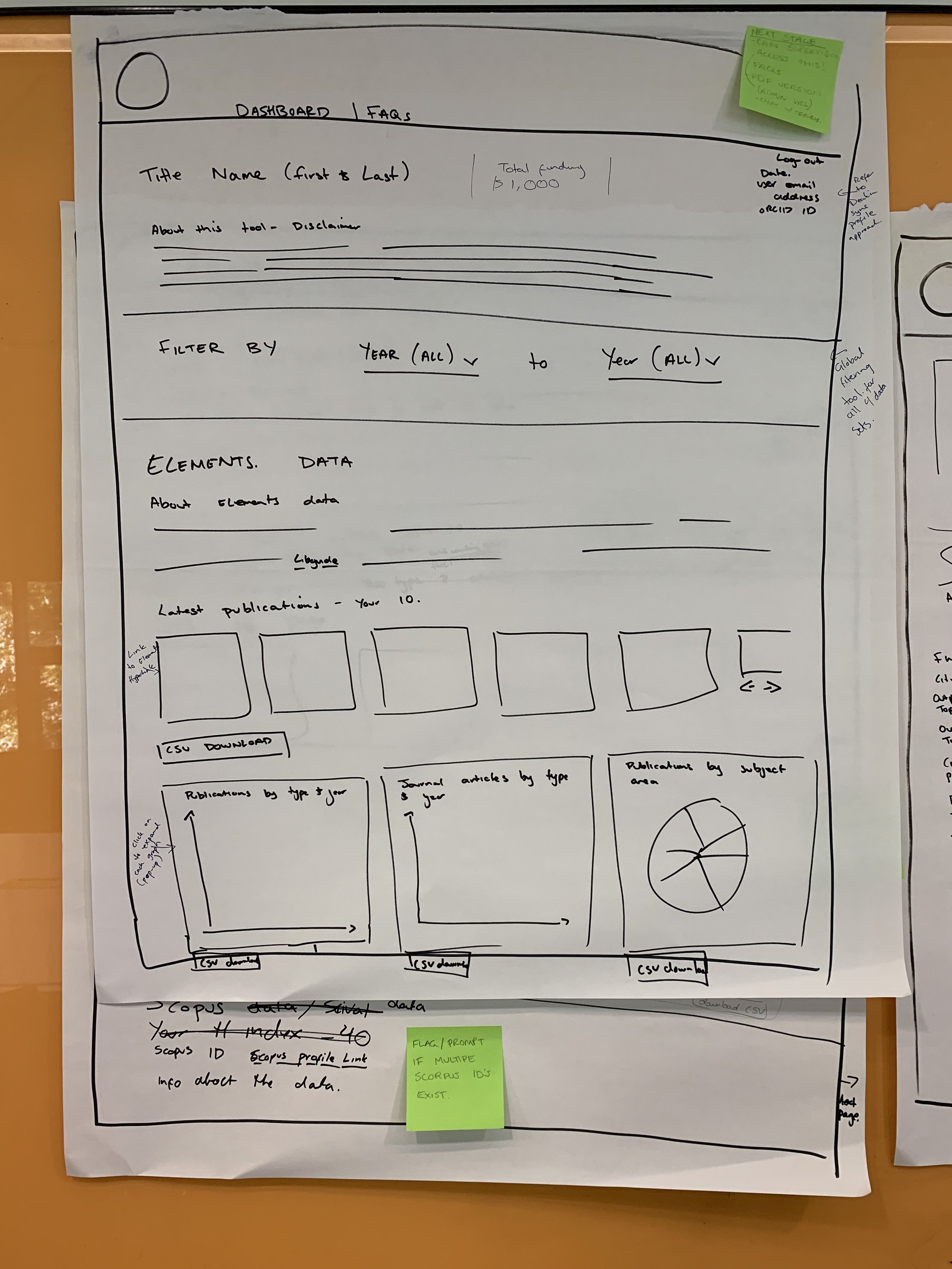
In Design, I facilitate collaborative workshops (both in-person and remote) that turn insights into ideas. Activities such as Crazy 8s, Golden Path mapping, wireframing sessions and three-panel prototype workshops help teams rapidly explore options, test assumptions and build confidence in potential solutions before development begins.
The goal is always the same: to remain user-centred and evidence-based. Rather than designing around stakeholder assumptions or organisational preferences, I use research, data and user feedback to guide decision-making. This helps ensure we're solving the right problem, not simply responding to symptoms, and creates solutions that are both meaningful for users and sustainable for the organisation.
Sharing the Practice at VALA 2026
In 2026, I co-delivered a workshop at VALA focused on helping library professionals apply the Double Diamond design process using freely available design playbooks and facilitation techniques.
The session introduced practical tools and workshop activities that participants could immediately take back to their own organisations, regardless of project size or team maturity. Rather than focusing on theory, the workshop explored how simple, structured activities can help uncover user needs, align stakeholders and support more confident design decision-making.
Participant feedback highlighted the value and applicability of the approach:
92.4% rated the workshop as valuable
91.4% found the content relevant to their work
87.1% indicated they were likely to use a design playbook in future projects
77.6% reported increased confidence using playbooks and workshop techniques
87.1% overall satisfaction
The workshop reinforced something I've seen throughout my own practice: when teams are given practical, accessible design tools, they are far better equipped to understand their users, make informed decisions and create more effective services.
Endorsements
What felt most useful or valuable about today's session?
“Knowing now how to approach a problem”
Workshop participant“(Sarah)She brought a thorough and considered approach to the work, combining her typical professionalism with a collaborative and service-oriented approach. ”
Danielle Johnson, Director Library servicesAll images used in above examples copyright Deakin University, reproduced with permission.
What felt most useful or valuable about today's session?
“The constant discussions with presenters and your ideas and questions”
Workshop participant